


Food as opportunity, dignity, and community.
Project Rebound is a college program dedicated to empowering formerly-incarcerated students and communities through education and support. As part of our comprehensive approach, we have established a food pantry, community food gatherings, and a garden initiative to address food insecurity and promote sustainable living. These initiatives aim to provide nourishment, foster a sense of community, and educate individuals about the importance of healthy eating and self-sufficiency.
Food Gift Boxes
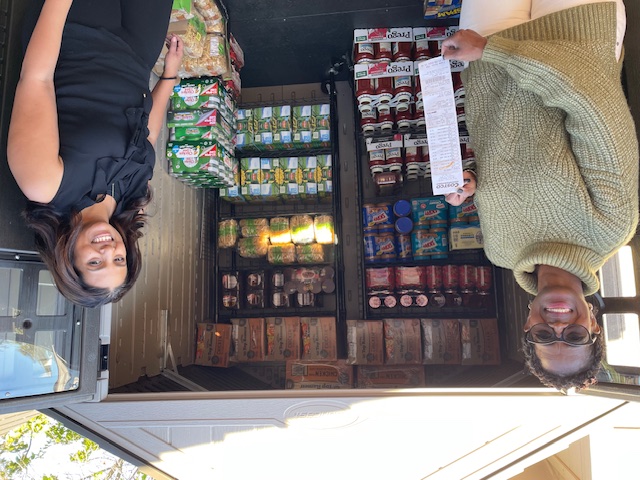
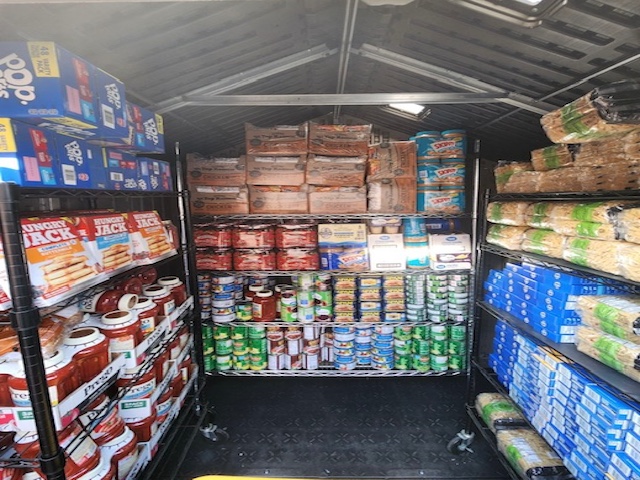
A vital resource for students and families facing food insecurity. Fresh produce, grains, proteins, and pantry staples — sourced through local farms and grocers.
EXPLORE THE PANTRY →Community Gatherings
Shared meals, guest speakers, and cultural exchange that fight social isolation and build a network of support across the campus community.
SEE WHAT'S NEXT →Organic Garden Project
Hands-on learning in sustainable food production. Students cultivate fresh produce, learn composting, and share the harvest with the community.
VISIT THE GARDEN →
Food Gift Boxes
Our food gift boxes serve as a vital resource for students and their families facing food insecurity. Stocked with nutritious items — fresh produce, grains, proteins, and non-perishable goods — all sourced through partnerships with local farms and grocery stores to ensure a consistent supply of quality food.
Accessibility
We prioritize accessibility by keeping the food pantry conveniently located and ensuring confidentiality for those seeking assistance. Additionally, we collaborate with community organizations to offer transportation services and extend our reach to marginalized populations.
Education
Alongside providing food, we offer educational resources on nutrition, budgeting, and meal planning. Workshops and cooking demonstrations empower individuals to make healthy choices and optimize the use of available resources.
Volunteer Opportunities
The food pantry provides an opportunity for community engagement. Volunteers can contribute their time by organizing food drives, sorting donations, or assisting with distribution. By fostering a culture of giving back, we create a network of support that strengthens community bonds.

Community Gatherings
Community gatherings foster togetherness and address social isolation — creating a space where individuals can connect, share meals, and build meaningful relationships. These events nurture a supportive community network while promoting cultural exchange and fostering understanding among university partners, faculty, students, staff, and community members.
Diversity & Inclusion
Our community food gatherings celebrate diversity by featuring a variety of cuisines and culinary traditions. By embracing different cultures and culinary practices, we promote inclusivity and appreciation for the richness of our community.
Speakers & Workshops
These events often feature guest speakers who address topics such as nutrition, mentoring, and community-building — giving students access to voices and expertise beyond the classroom.
Collaboration
We collaborate with university partners, elected officials, and community organizations to host these gatherings. Working collaboratively encourages a shared responsibility in addressing food insecurity and promoting community well-being.
Organic Garden Project
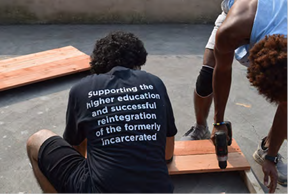
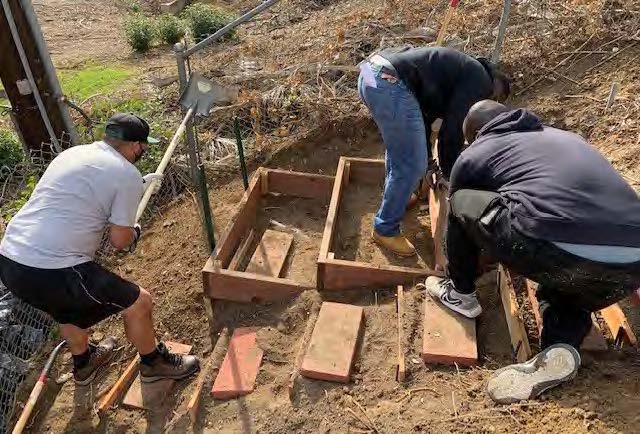
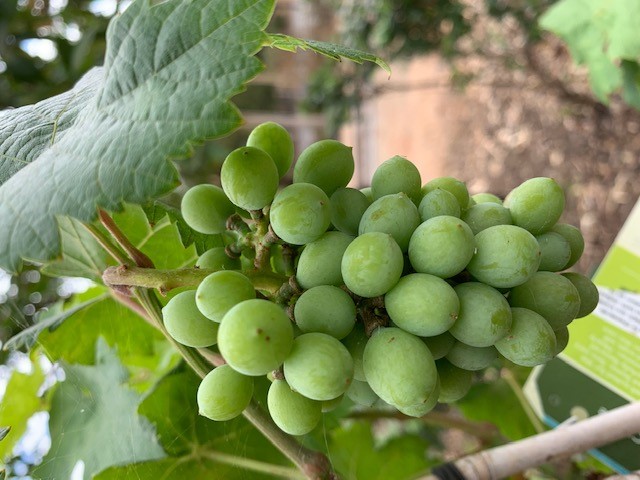
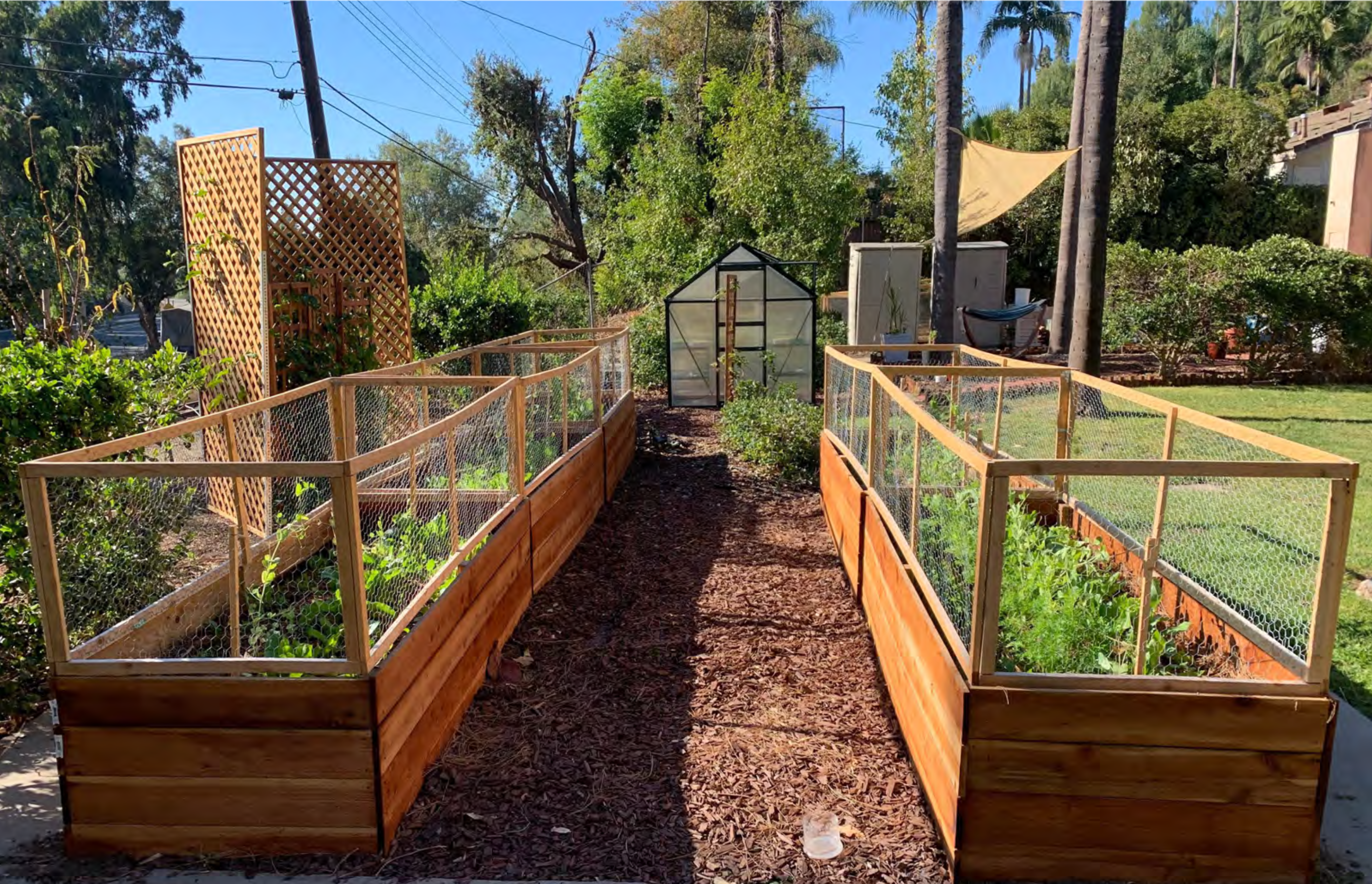
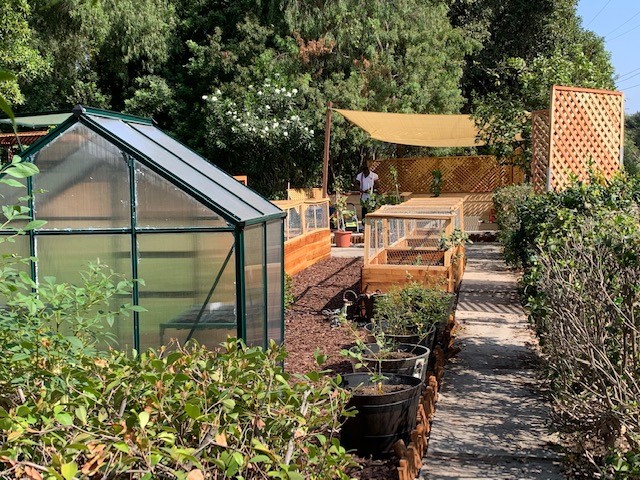
Our organic garden promotes sustainable food production and teaches individuals the skills needed to cultivate their own fresh produce. We maintain a community garden where students learn gardening techniques, sustainable practices, and experience the joy of growing their own food.
Hands-on Learning
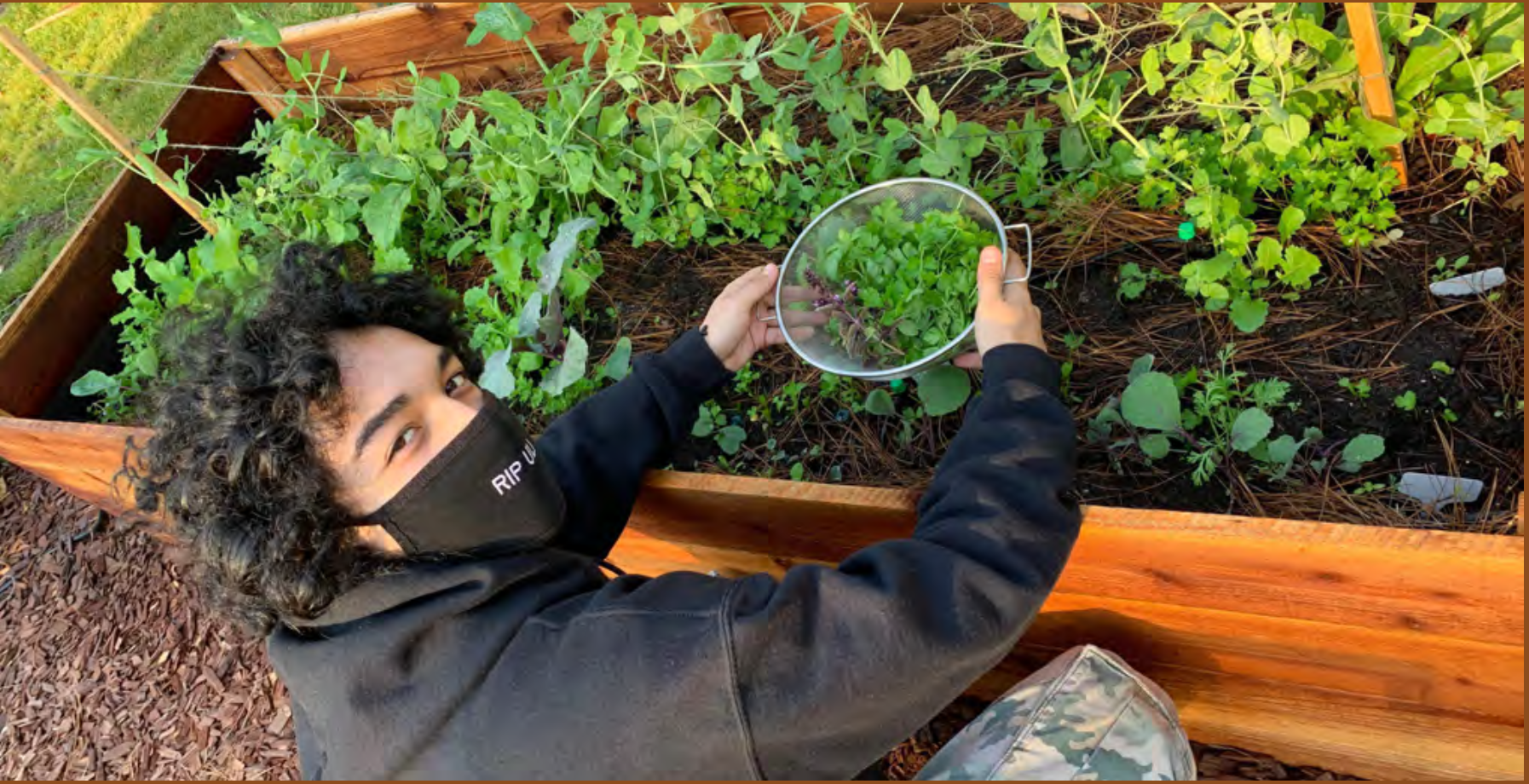
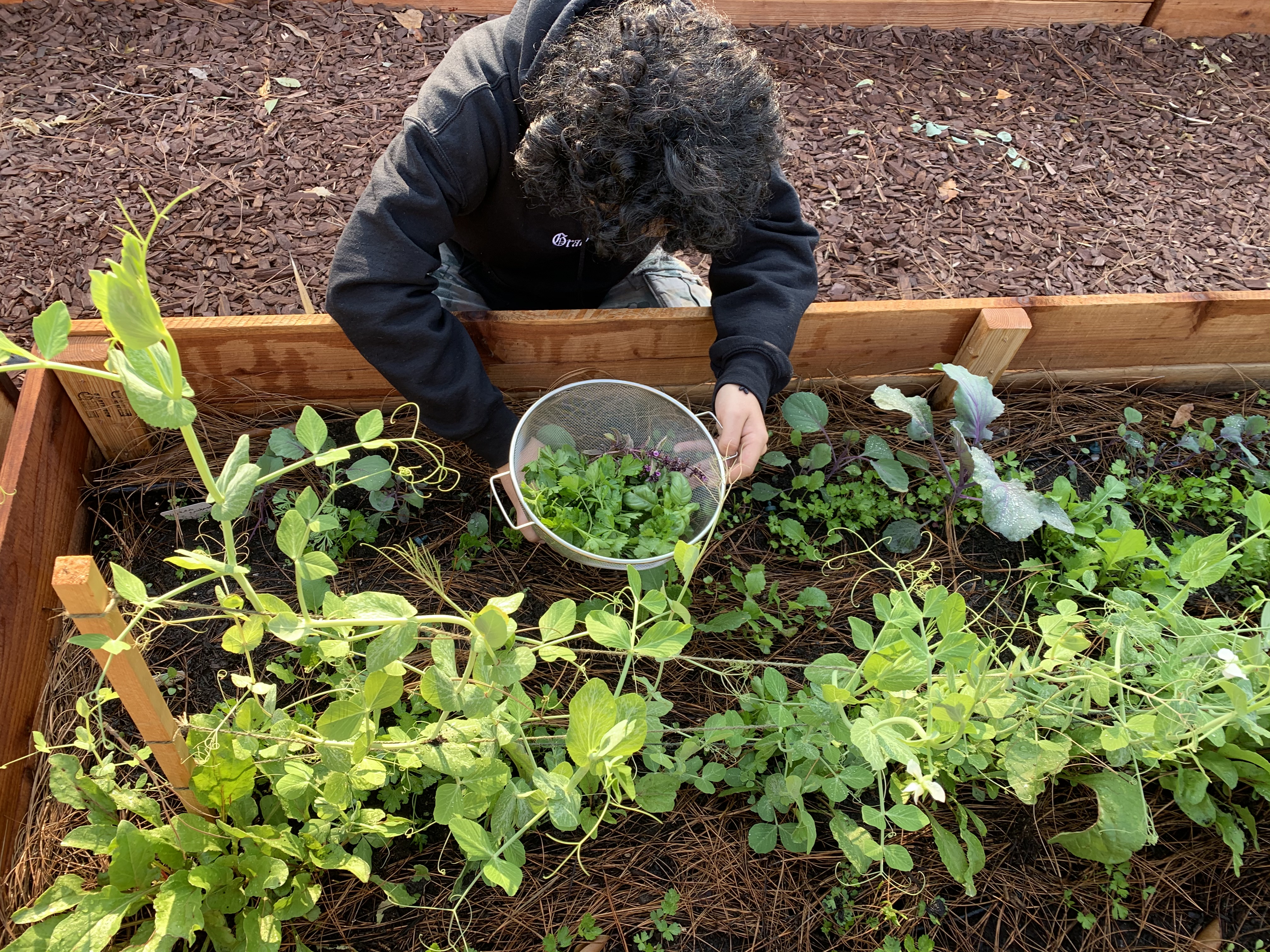
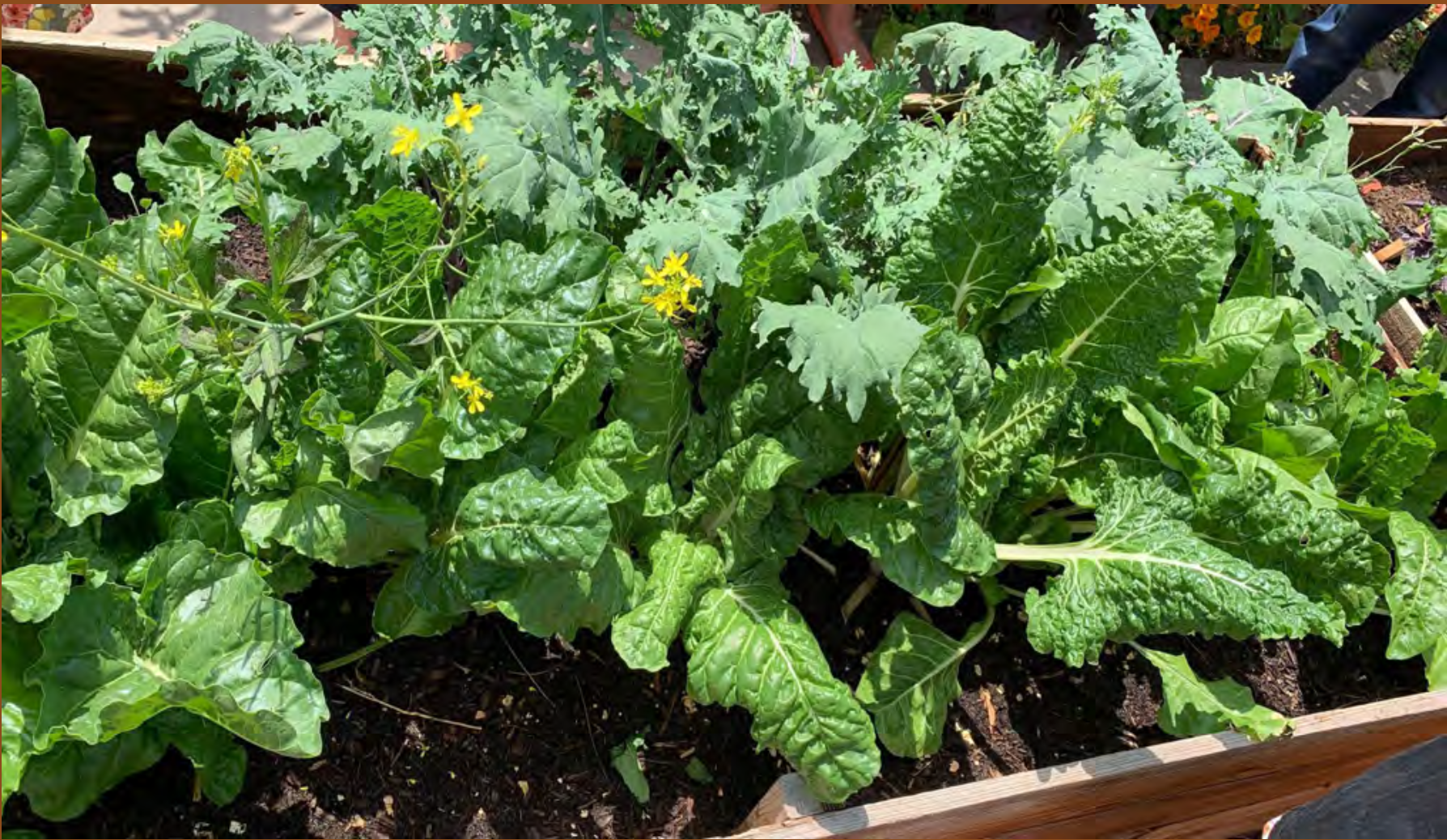
Through workshops and gardening sessions, participants gain practical knowledge about organic gardening, composting, and water conservation. They also learn about the nutritional benefits of homegrown produce and the importance of sustainable food systems.
Collaboration & Mentorship
Experienced gardeners and local experts collaborate with Project Rebound to mentor students, sharing their expertise and providing guidance throughout the gardening process. This mentorship fosters a sense of community and encourages lifelong learning.
Sharing the Harvest
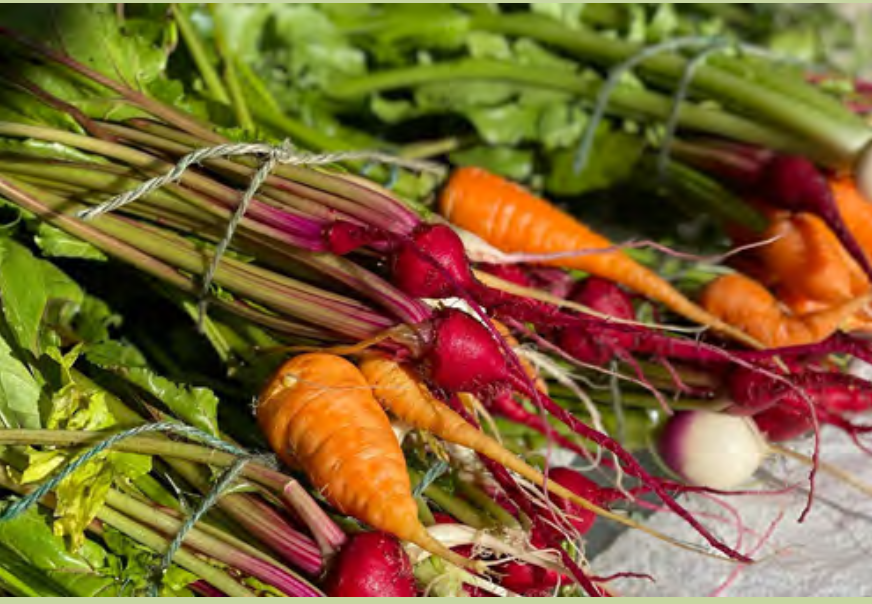
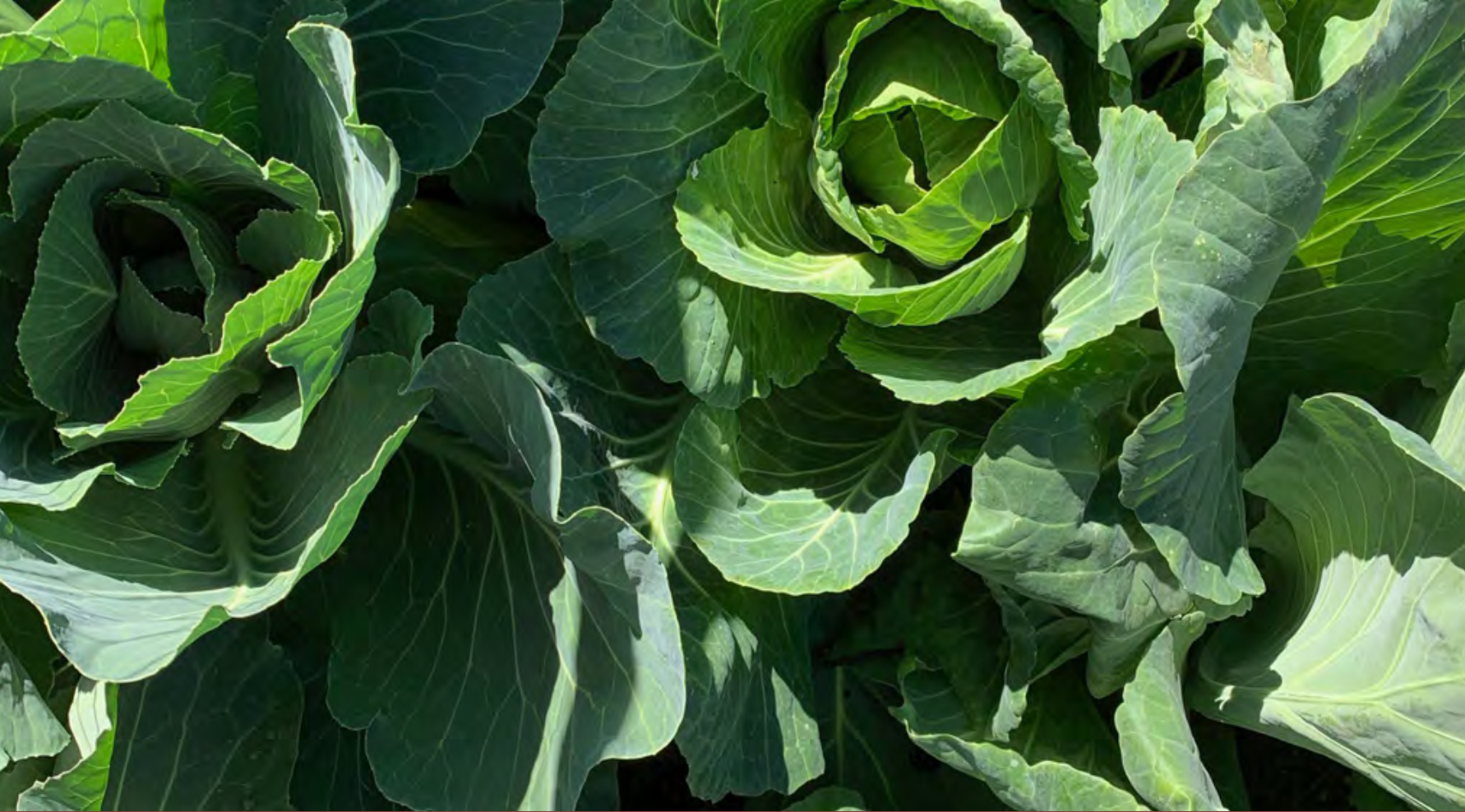
The produce harvested from the community garden is shared with students and distributed at community food gatherings. This reinforces the principles of self-sufficiency, sharing, and collective well-being.
Reversing Recidivism
Every program inside the FJI is measured against six outcomes we believe keep students on campus, in community, and on track to graduate.
- 1 Enhance the food security of our formerly-incarcerated students and their families.
- 2 Foster retention and increase graduation rates.
- 3 Strengthen the sense of self-efficacy among the students who work for the FJI.
- 4 Impart horticultural and culinary skills to support long-term and sustainable food sovereignty and lessen dependence on campus food infrastructure.
- 5 Deepen the sense of community care and belonging among our students.
- 6 Construct an outdoor, therapeutic, educational, and community-strengthening space that also lends itself to the physical distancing required by COVID public health orders.
Foundation of FJI
In 2020, as part of our program's pivot in response to COVID, we created an emergency food pantry at the Irwin House to address the escalating food insecurities of our students and their families. The pantry was so successful that in the Fall we piloted the Food Justice Initiative (FJI). The FJI broadens the work of the food pantry to include an organic community garden, horticultural training, and culinary skills curriculum aimed at providing Rebound students with equitable access to healthy food — empowering them with knowledge and skills to ensure greater long-term food security for them and their families.
Cookbook & Photo Book
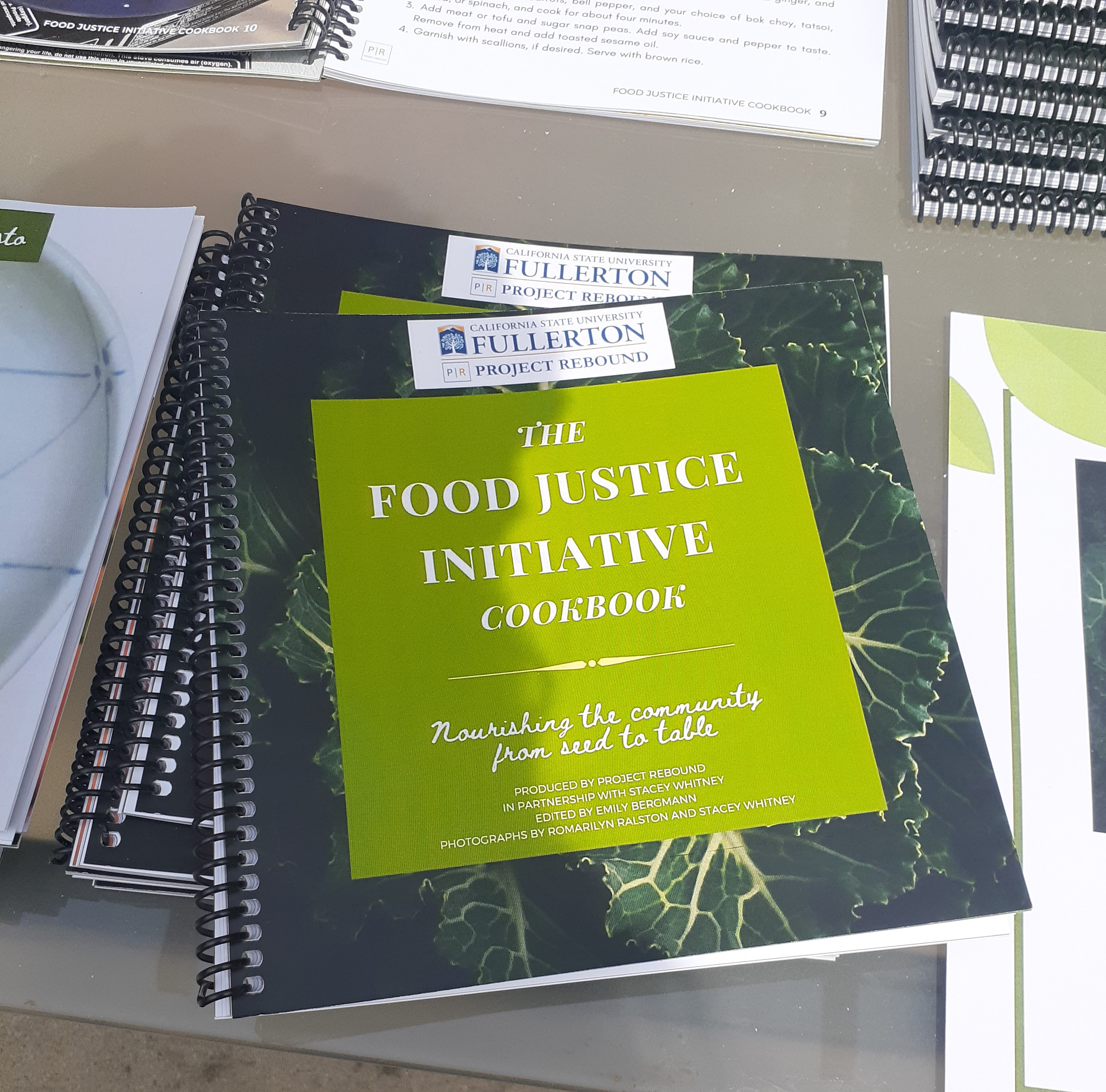
A one-of-a-kind cookbook that not only tastes delicious but also addresses important issues of food access, sustainability, and justice — recipes spanning vegan dishes to meat-based meals, each highlighting the traditions of diverse cultures.
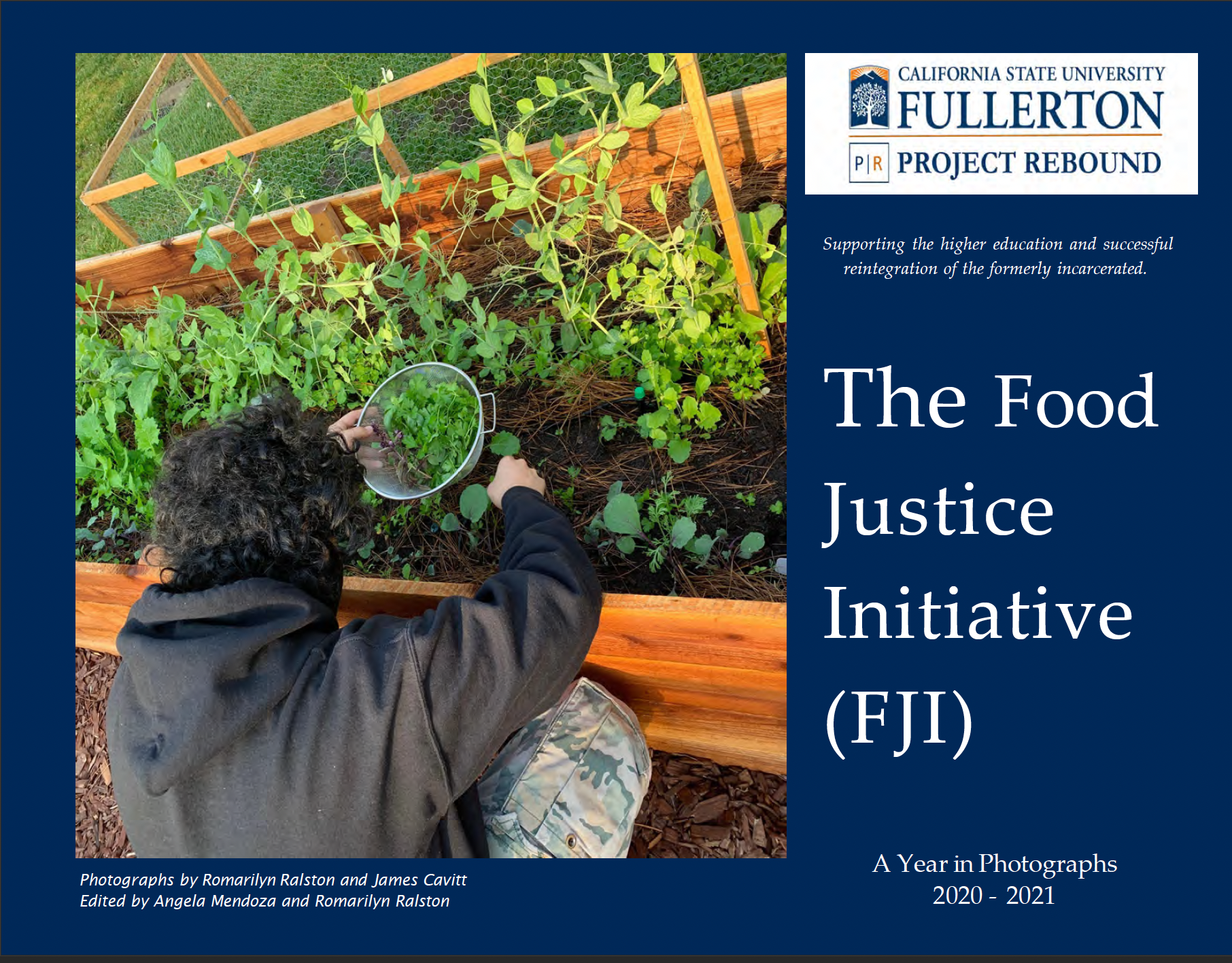
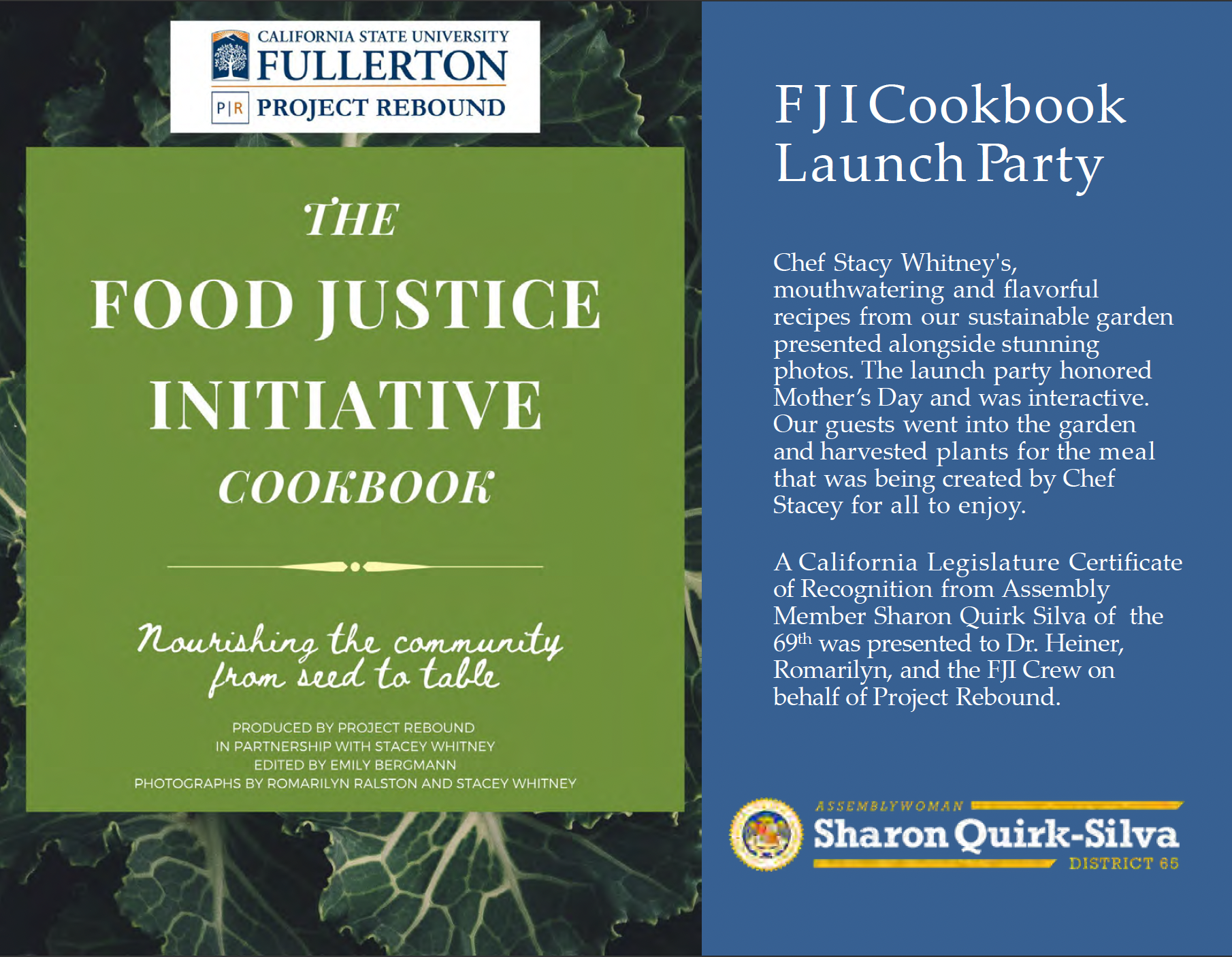
The Food Justice Initiative Cook Book is an essential guide for anyone interested in promoting equity and social justice in the food system. This one-of-a-kind cookbook features a wide range of recipes that not only taste delicious but also address important issues related to food access, sustainability, and justice.
Each recipe showcases the flavors and traditions of diverse cultures while highlighting the challenges faced by communities that lack access to healthy, affordable food. From vegan dishes to meat-based meals, there is something for everyone.
Whether you're a seasoned cook or a beginner, this cookbook is an invaluable resource for anyone who wants to make a positive impact on the world through food — and every purchase supports the important work of the Food Justice Initiative.
Want to order a copy?
Contact Romarilyn Ralston, Executive Director, and our team will be delighted to assist with your order and any further information you need.
FJI Cookbook Launch Party
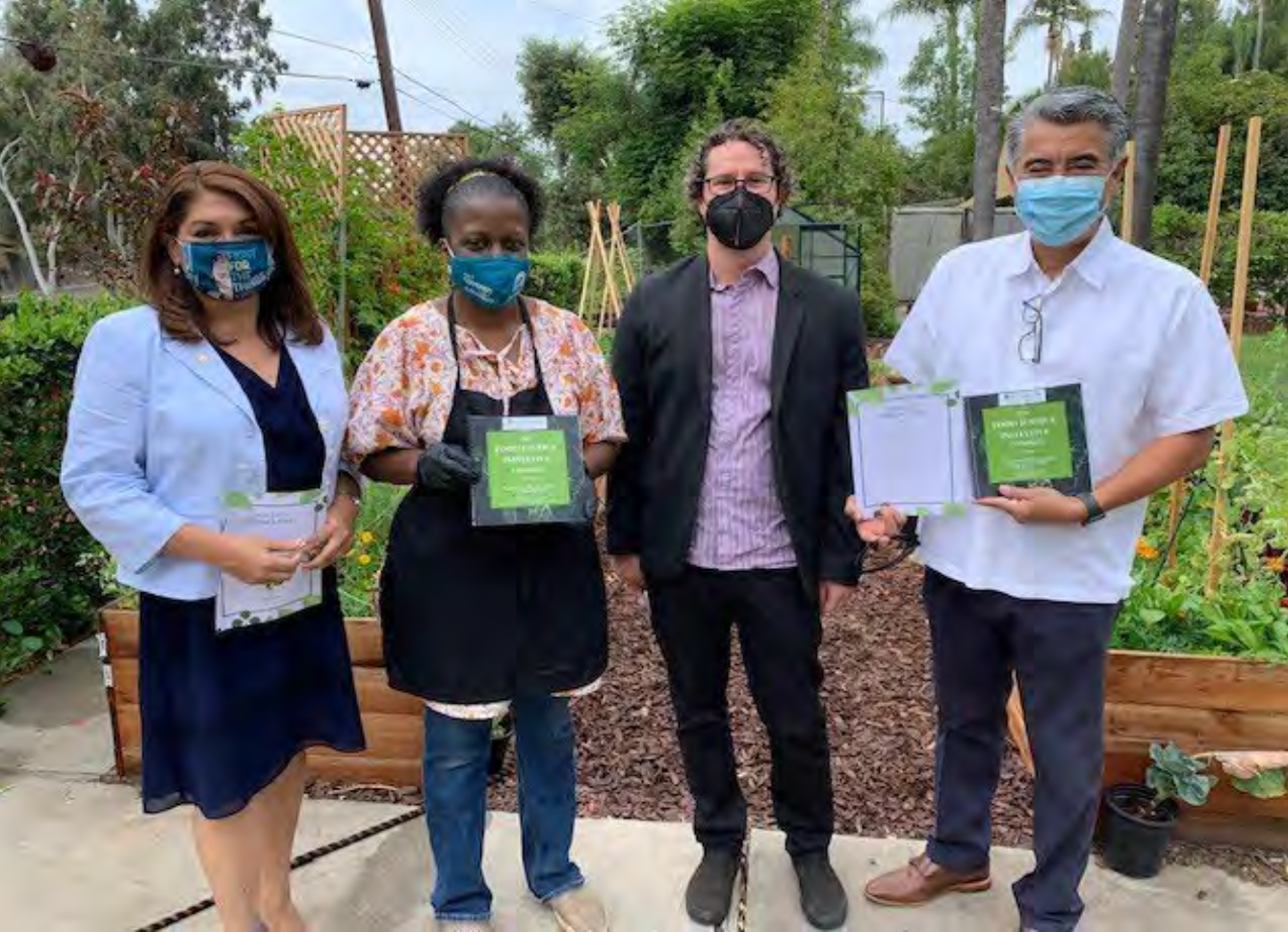
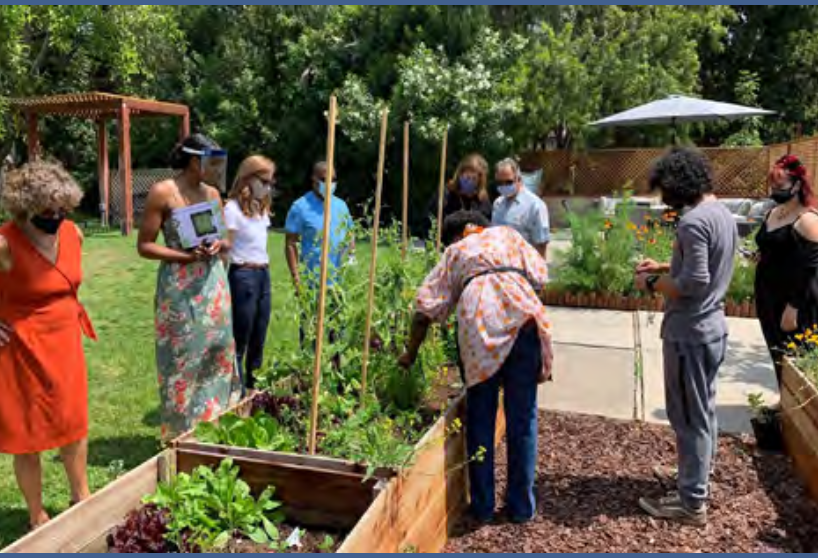
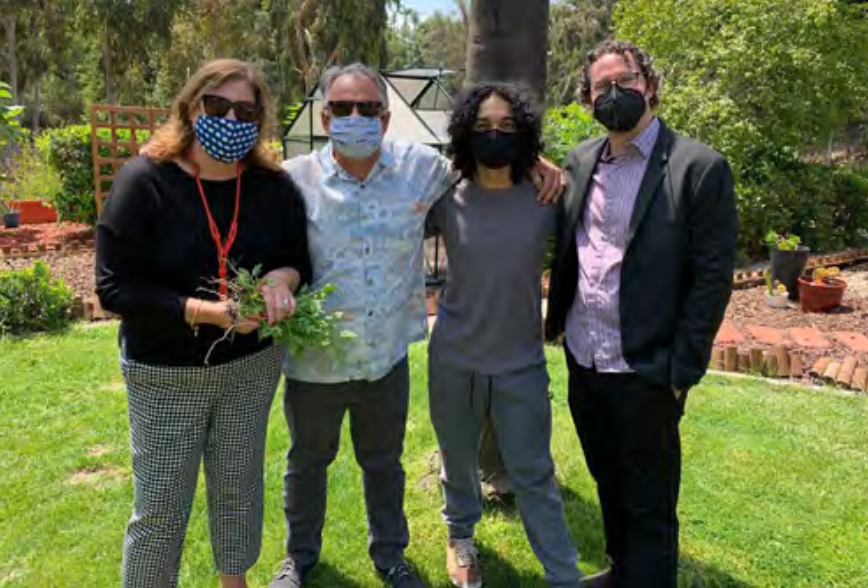
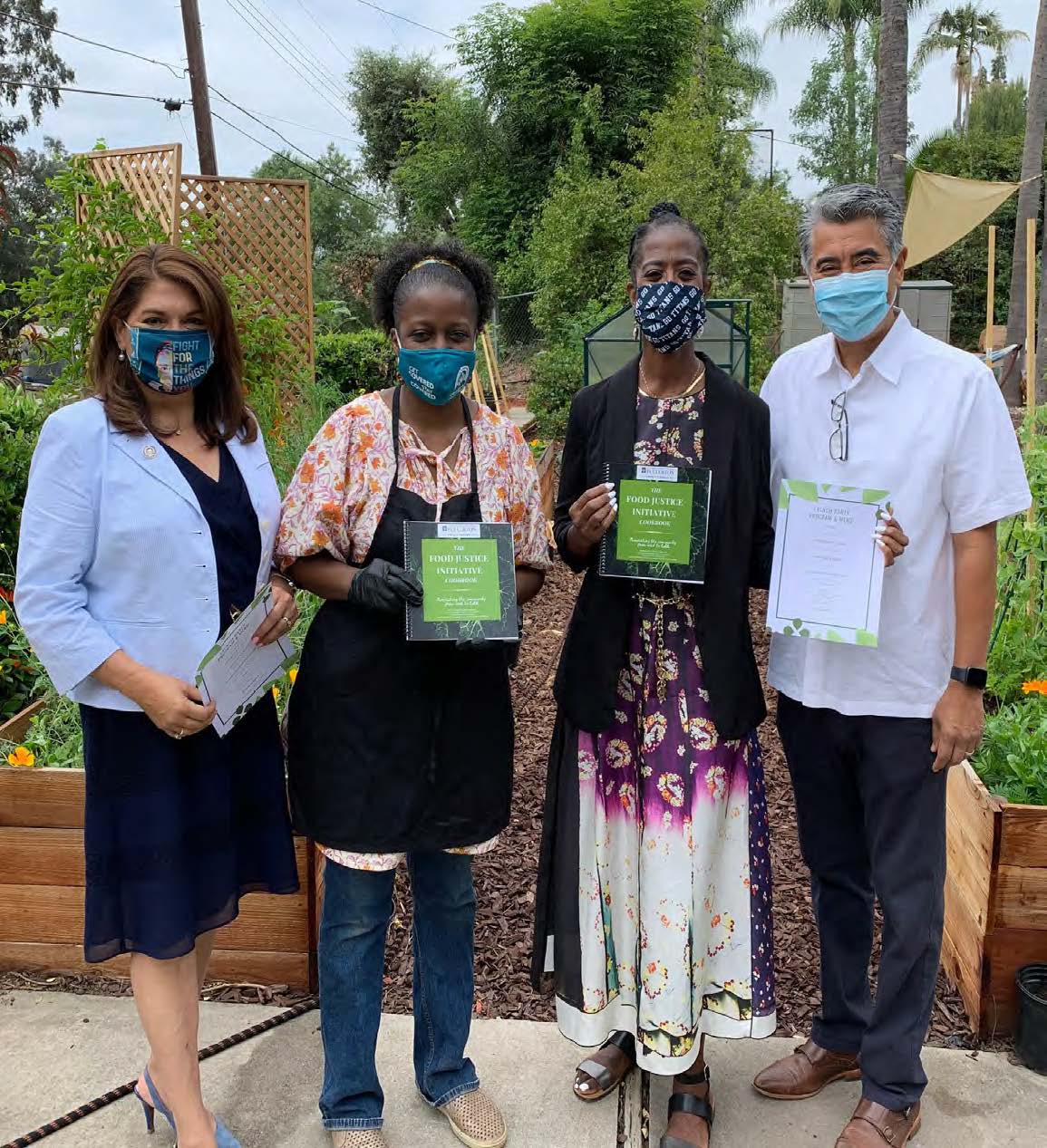
Chef Stacy Whitney's mouthwatering, flavorful recipes from our sustainable garden — presented alongside stunning photos. The launch party honored Mother's Day and was interactive: guests went into the garden and harvested plants for the meal Chef Stacey created for all to enjoy. A California Legislature Certificate of Recognition from Assembly Member Sharon Quirk-Silva of the 69th District was presented to Dr. Heiner, Romarilyn, and the FJI Crew on behalf of Project Rebound.
From the Garden
The garden contributes to the holistic healing and basic wellness needs of Project Rebound students by providing a therapeutic outdoor space — conducive to physical distancing — where students socialize and serve the community while earning a wage and receiving hands-on experience with the harvest cycle, from seed to table.
Through the food pantry, community gatherings, and organic garden project, Project Rebound strives to address food insecurity, foster community, and promote sustainable living. By empowering individuals with access to nutritious food, education, and opportunities for engagement, we aim to uplift families and create a better future — a more inclusive, sustainable food system where everyone has equal opportunities to organic and nutritious foods.
Three ways to nourish the community.
Donate to FJI
Your gift keeps shelves stocked, plants growing, and students fed. Every dollar goes directly to program resources.
Make a gift →Volunteer
Sort donations, run a food drive, or help in the garden. Build the network of support that strengthens our community bonds.
Sign up →Request Food Help
If you or your family are facing food insecurity, the FJI pantry is here for you — confidential, accessible, and stocked weekly.
Get assistance →