This page uses javascript to help render elements, if you have problems please enable javascript.
 
You are now inside the main content area


left col

Annual Report 24-25

right col
 
left col

CSUF Professor Awarded Grant to Enhance Mental Health Support for Law Enforcement Officers

right col
 
left col

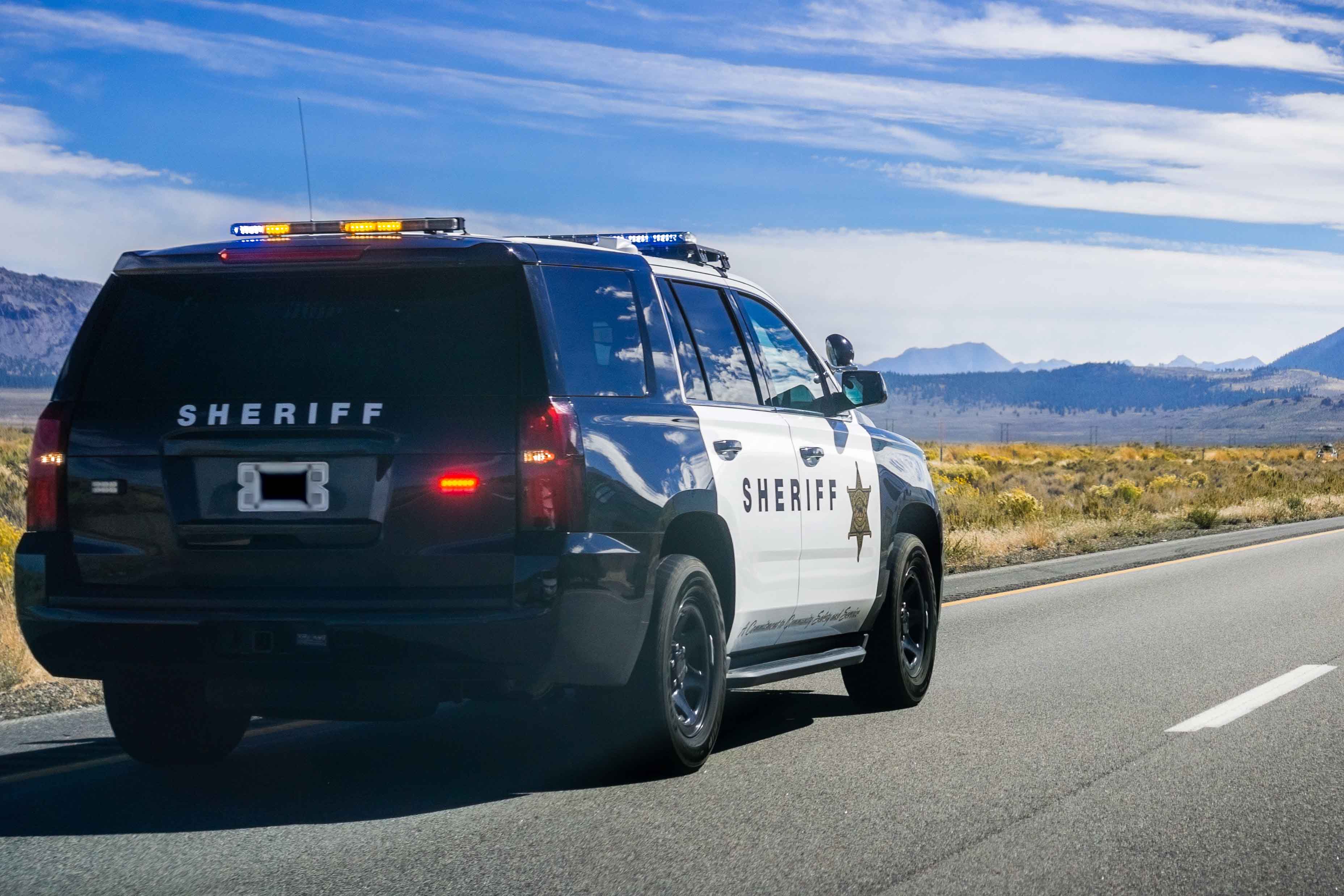
Sheriff SUV

Sherrif SUV (Courtesy of Adobe Stock Photo/Sundry Photography)

right col
 
left col

In the high-pressure world of law enforcement, officers face significant physical and mental health challenges due to the trauma and stress they experience daily, which can impair their judgment, well-being, and performance. Despite their crucial role in public safety, many officers lack adequate mental health support due to stigma and limited resources. 

Nancy Panza, a professor of psychology at Cal State Fullerton with over 20 years of experience with law enforcement officers, is conducting research to improve officers' mental health, particularly in rural areas, and end the stigma associated with asking for help. 

Her ongoing project, “Annual Wellness Visits for Law Enforcement Officers: Early Program Evaluation Data from Two Rural Law Enforcement Agencies,” recently received a $33,125 grant from the American Psychological Foundation. The grant, awarded through the John and Polly Sparks Grant for Rural First-Responder Mental Health Interventions, will support the study of wellness visits for law enforcement officers across Nevada, one of five states that has mandated these visits.

Wellness visits– which are periodic check-ins between officers and trained mental health professionals – have gained traction in recent years, particularly after the passage of the Law Enforcement Mental Health and Wellness Act (LEMHWA) in 2018. Despite widespread support for wellness visits, there is limited data on their effectiveness. Panza's work seeks to fill this gap, especially in rural communities where law enforcement agencies face additional challenges. 

right col
 
left col

"Well officers serve well," Panza insists. "Officers who can seek support when they need it are healthier and happier and function better, which is good for them, their families, and the communities they serve.”

right col
 
left col

Read the full story

right col
 
left col
right col